October 17, 2026
Enhancing a vehicle involves a combination of aesthetic updates, functional improvements, and protective measures. Among the various modifications available to vehicle owners, altering the glass appearance stands out as one of the most effective upgrades. Whether the goal is to block harsh solar energy, increase cabin privacy, or simply elevate the overall look of an automobile, achieving a refined look for a vehicle often leads owners to consider adding a quality tint to their glass. However, deciding how to carry out this upgrade requires careful consideration. While some individuals consider attempting the installation process on their own, working with trained professionals ensures a level of accuracy, efficiency, and material longevity that self-installation rarely delivers. Glass applications require specialized environment controls, exact measuring techniques, and a thorough understanding of material properties. A single mistake during installation can lead to bubbling, peeling, or uneven optical clarity, turning an intended cosmetic improvement into an ongoing distraction. Examining the structural differences between amateur self-installation attempts and expert execution demonstrates why professional knowledge remains invaluable for automobile enhancements.
Understanding the Challenges of Window Application
Preparing Surfaces for Seamless Film Adhesion
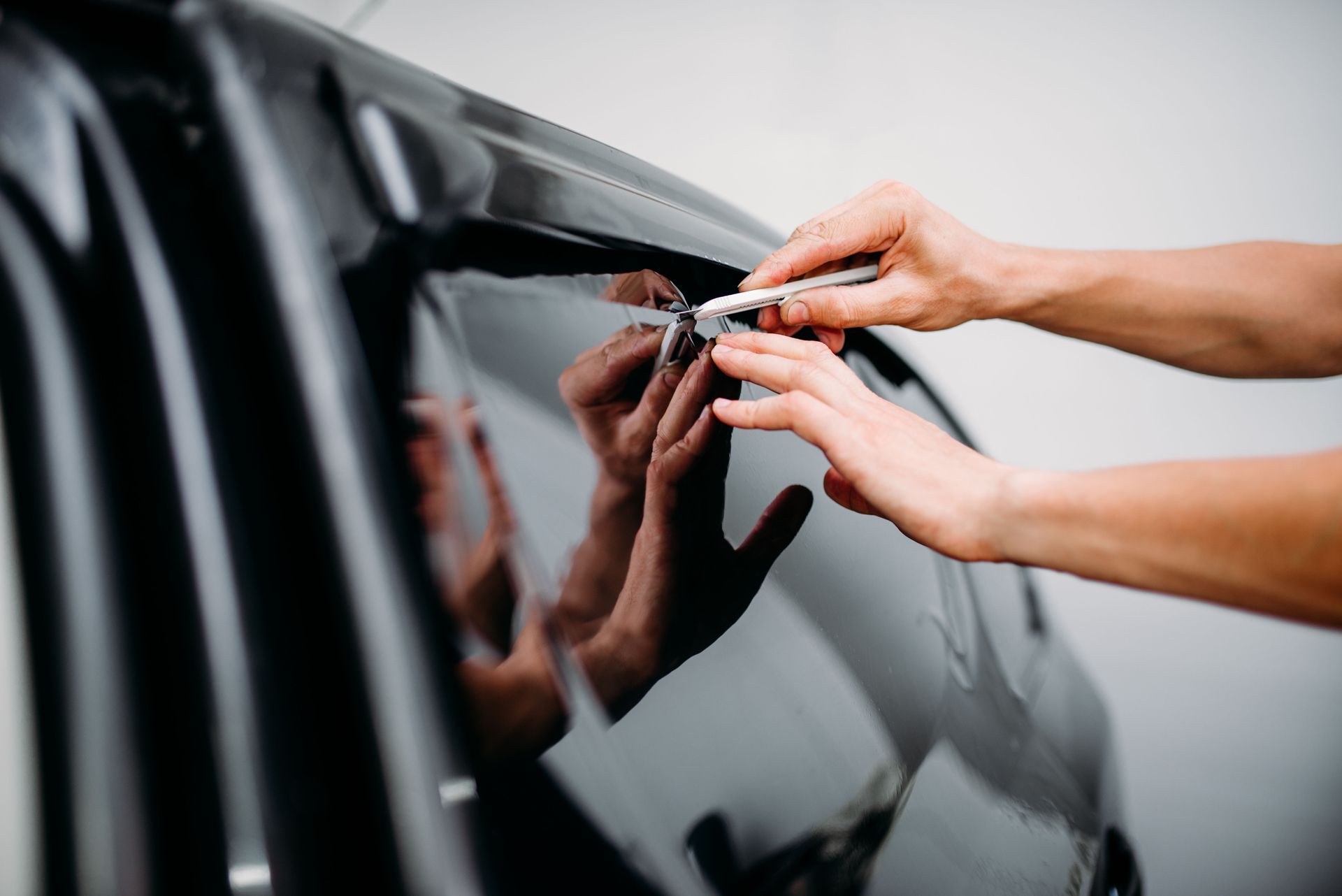
Before any protective film touches glass, the surface must undergo rigorous cleaning. Road debris, micro-dust, oily residue, and manufacturing compounds adhere to vehicle windows, creating invisible barriers that prevent smooth attachment. Professional installers operate in controlled environments designed to minimize airborne particles. When an untrained person attempts glass film application, ambient dust in a garage or driveway instantly settles on the exposed adhesive. This leads to permanent specks, air pockets, and imperfect bonding across the surface. Proper preparation involves specialized cleaning solutions, lint-free tools, and methodical scraping techniques to ensure the glass is completely pristine and ready for material bonding.
Handling Curved Glass Without Material Creasing
Modern automotive glass features complex, multi-axis curves that present significant installation obstacles. Standard flat films do not naturally conform to spherical rear windshields or contoured side windows without precise heat manipulation. Experts utilize specialized heat guns and squeegee techniques to shrink the film precisely to match the exact curvature of each glass panel. Without this technical mastery, the material will inevitably bunch, crease, or form fingers along the outer edges. Selecting the right tint requires an understanding of material compositions and how specific films react to controlled heating, preventing structural damage to the film while shaping it to perfection.
Examining the Precision Required for Installation
Eliminating Trapped Dust and Moisture Contaminants
A major distinction between amateur work and expert execution lies in the elimination of moisture and debris during application. Installing window films involves wet application techniques where slip solutions allow for exact positioning before squeegeeing out excess liquid. If liquid is improperly extracted, residual moisture forms unsightly water pockets that can take weeks to clear or cause permanent hazing. Experienced technicians possess the physical leverage and specialized tools needed to extract moisture uniformly from center to edge. Furthermore, when someone attempts to apply tint without training, the timeline expands dramatically. According to Kelley Blue Book, experienced technicians generally complete glass film installation in roughly two hours or less, based on total window count, whereas a first-time self-installation effort routinely consumes a far greater duration. Time efficiency combined with flawless contaminant removal underscores the value of professional application.
Applying Advanced Heat Rejection Tints Correctly
Modern film technology offers advanced benefits that extend beyond mere appearance, such as heat-rejection tints designed to reduce cabin temperatures. These high-performance materials often contain microscopic ceramic or metallic layers that reflect solar energy. However, these specialized layers make the material stiffer and more sensitive to handling errors. Kinking or creasing an advanced heat-reflecting film creates permanent white fracture lines within the material. Professional installers handle these advanced films with extreme care, ensuring that the solar barrier properties remain fully intact across every inch of glass.
Exploring the Benefits of Specialized Films
Mounting Specialized Privacy Films With Accuracy
Vehicle owners seeking heightened confidentiality for cargo or passengers often select privacy films. Achieving an even, dark appearance requires uniform film placement that aligns perfectly with the window housing and weather stripping. Misalignments expose clear gaps around the edges, undermining the aesthetic balance and reducing the effectiveness of the privacy barrier. When installed by experts, a properly applied film creates a uniform tint across every window, ensuring that light transmission remains consistent without light leaks along border gaskets.
Installing UV Protection Films for Surface Longevity
Prolonged exposure to solar radiation damages automotive interiors, causing leather seats to crack, dashboard materials to fade, and vinyl trims to deteriorate. High-grade UV protection films block up to ninety-nine percent of harmful ultraviolet rays, preserving cabin materials and safeguarding occupants from skin exposure. Proper installation of these protective barriers ensures that the depth of the tint remains consistent under direct sunlight over years of driving, without fading to an unexpected purple hue or developing optical distortion over time.
Integrating Protective Safety and Security Films
Beyond managing solar energy, specialized safety and security films provide essential structural reinforcement for automotive and architectural glass surfaces. These heavy-duty clear barriers bind shattered glass fragments together upon severe impact, significantly reducing the hazards of flying shards during accidental collisions or severe weather events. Professional application ensures that the film bonds firmly along window frame gaskets, maximizing structural resistance and preventing premature peeling. Technicians possess the precision skills needed to apply thick security layers smoothly without creating optical distortion, offering property owners and motorists heightened protection and reliable peace of mind across every glass panel.
Applying Architectural Decorative Window Films
The benefits of advanced film application extend well beyond automotive glass into residential and commercial spaces. Incorporating decorative window films allows building managers and homeowners to transform interior glass partitions, entry doors, and office windows into stylish design statements. These specialized films provide elegant frosted textures and geometric patterns that balance personal privacy with natural light diffusion. Skilled installers ensure that decorative treatments adhere cleanly without surface imperfections, creating sophisticated interior spaces without requiring structural glass replacements. Professional precision ensures uniform coverage across expansive architectural installations.
Reviewing the Role of Professional Experience
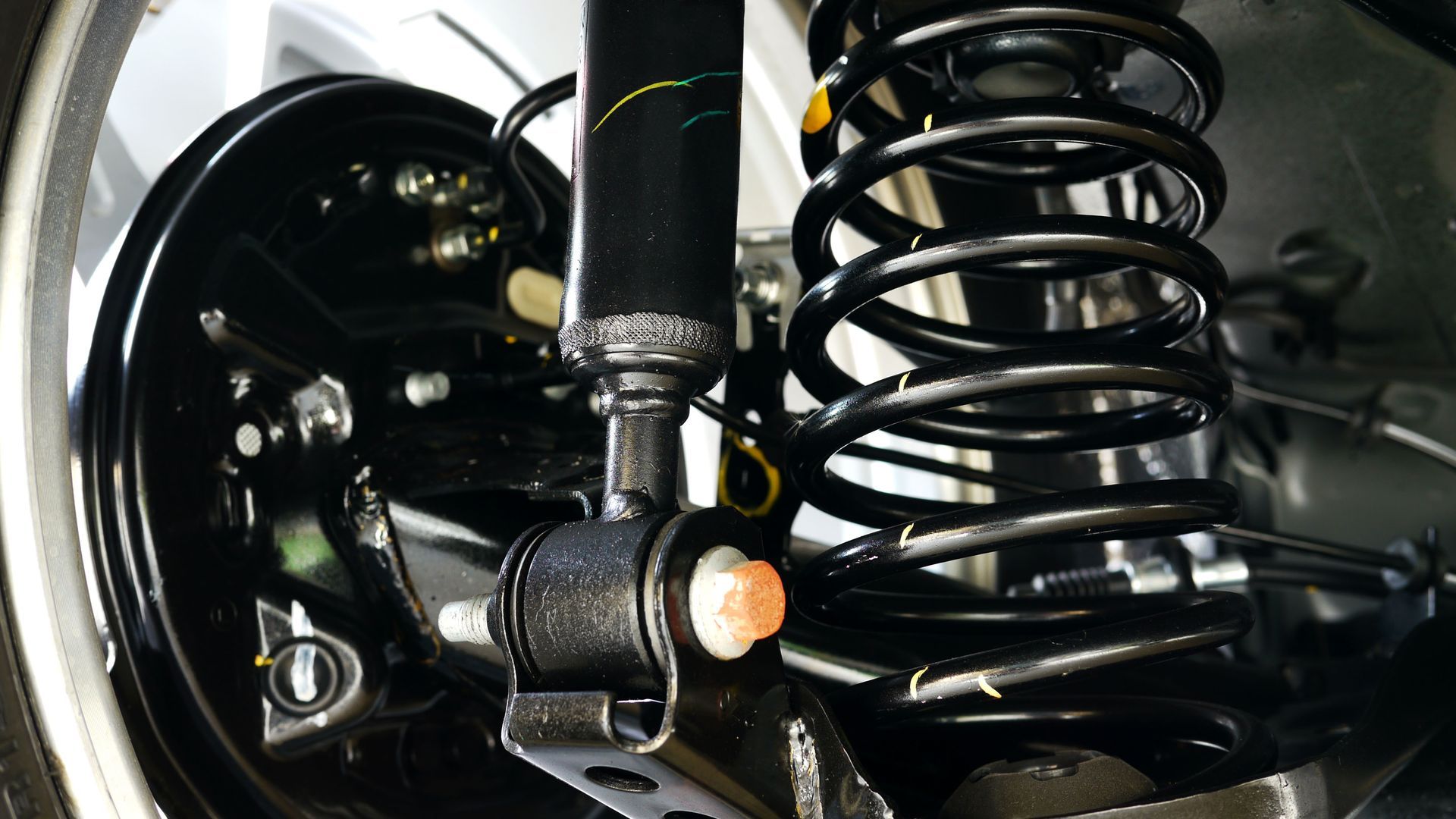
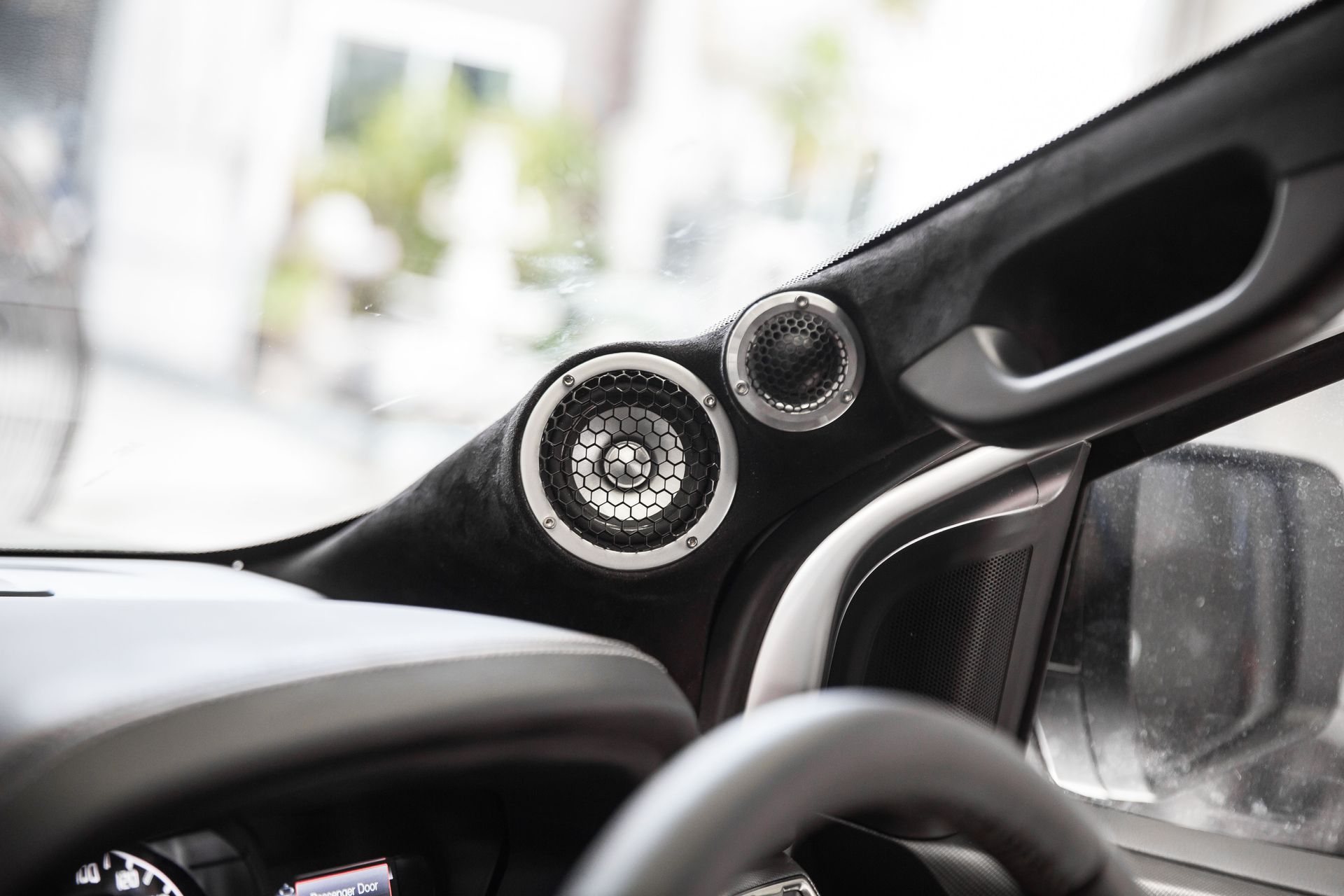
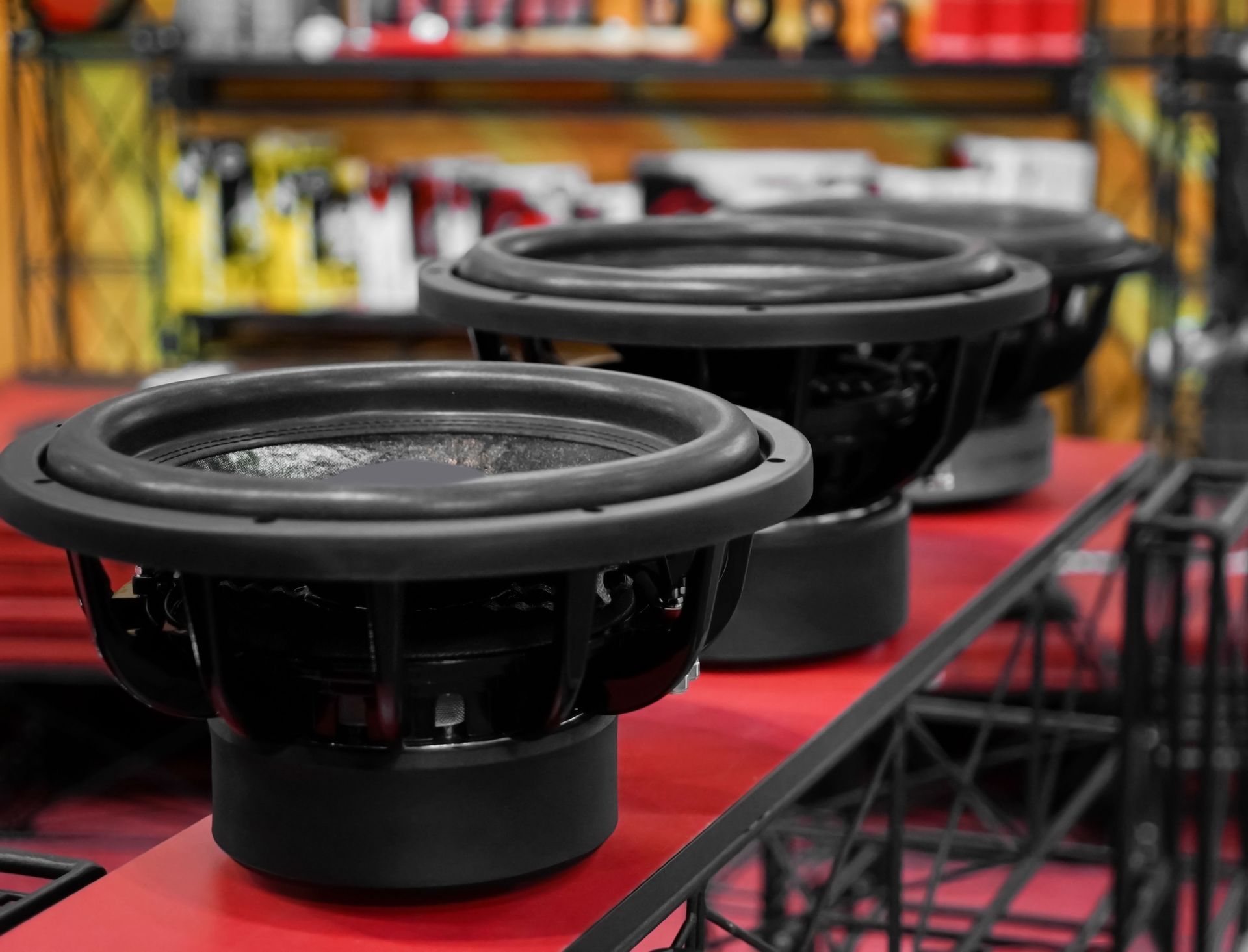
Selecting experienced technicians ensures access to comprehensive vehicle care that goes beyond simple window applications. A facility skilled in automotive enhancements understands the broader picture of vehicle aesthetics and functional upgrades. From installing automotive, residential, and commercial window tinting to applying safety and security films or decorative window films, trained specialists approach every task with attention to detail. Additionally, vehicle owners looking for complete transformations often explore complementary modifications. Integrating a dark tint with other styling updates produces a cohesive aesthetic. Services such as vinyl wrapping, truck accessories, interior customization, car audio, suspension work, and upgrading wheels and tires all contribute to a personalized driving experience. Entrusting these enhancements to skilled specialists ensures that every component functions harmoniously, protecting the owner's vehicle investment while delivering exceptional visual appeal.
Achieving an unblemished vehicle finish requires precision, specialized equipment, and deep industry knowledge. While the idea of installing glass films independently may seem appealing, the technical complexities, risk of material damage, and extended installation timelines make professional application the clear choice. Skilled technicians bring controlled environmental conditions, expert heat-shaping capabilities, and precise mounting techniques that deliver superior results. Furthermore, working with established automotive specialists provides access to a full spectrum of vehicle enhancements, including safety and security films, decorative window films, vinyl wrapping, car audio, suspension work, truck accessories, interior customization, and wheels and tires. Ultimately, choosing a professional finish for your glass
tint provides long-lasting comfort, enhanced cabin protection, and a refined appearance that elevates your driving experience for years to come. If you would like to upgrade your car, contact Marsh Automotive Outfitters for a same-day estimate.