October 3, 2026
Tires are designed to maintain consistent contact with the road, but several vehicle systems influence how evenly that contact occurs. Among them, the suspension plays an important role in controlling wheel movement, supporting the vehicle, and helping tires follow the road surface. When suspension components become worn or damaged, they can change the way tires sit against the pavement. This may create uneven tread wear, reduce handling consistency, and shorten the useful life of a tire. Understanding the connection between suspension condition and tire wear can help drivers recognize problems before they become more expensive. According to AAA, professional tire rotations extended tread life by an average of 7,200 miles in its 2024 test fleets. Regular inspections and timely maintenance can help keep the suspension, wheels, and tires working together as intended.
Maintaining Proper Wheel Contact
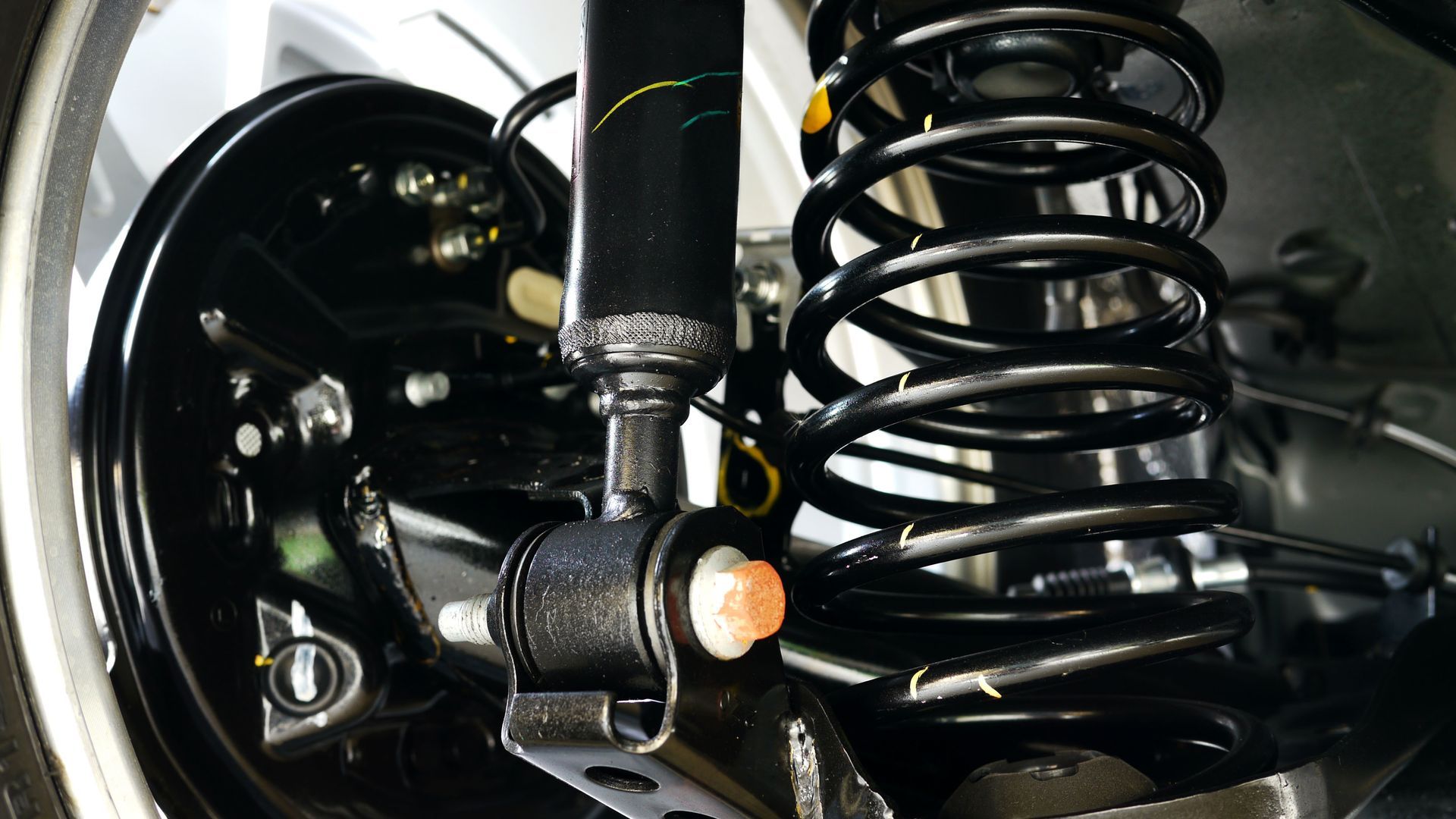
A properly functioning suspension helps keep each tire in appropriate contact with the road. The suspension responds to bumps, dips, turns, and changes in the driving surface while helping control wheel movement. When components become worn, a wheel may move excessively or fail to maintain the intended position. This can place additional pressure on certain portions of the tire tread. Over time, the affected area may wear faster than the rest of the tire. Drivers may notice uneven tread patterns even when the tires themselves are relatively new. Healthy suspensions help provide the consistent wheel movement needed for more even contact with the pavement. Addressing suspension concerns early can therefore help protect both handling and tire longevity.
Preventing Uneven Tread Wear
Uneven tread wear is one of the most noticeable signs that something may be affecting the relationship between the vehicle and its tires. A worn suspension component can contribute to changes in wheel positioning as the vehicle travels over different surfaces. This may cause one edge of a tire to wear more quickly than the center or opposite edge. Cupping or scalloping can also develop when a wheel repeatedly moves up and down without being properly controlled. These patterns can make the tires noisier and may reduce their ability to provide consistent traction. Suspensions that are inspected regularly can help identify worn components before abnormal tire wear becomes severe. Drivers should have unusual tread patterns evaluated instead of assuming that replacing the tires alone will solve the problem. Correcting the underlying issue can help new tires wear more evenly after installation.
Supporting Proper Wheel Alignment
Wheel alignment determines how the tires are positioned relative to the road and one another. Suspension components can influence alignment angles, particularly when parts become bent, loose, or excessively worn. Even a small change in alignment can cause increased wear along one portion of a tire. A vehicle may also begin pulling to one side or require frequent steering corrections when alignment is no longer within the appropriate range. Replacing a tire without correcting an underlying suspension or alignment issue may allow the same wear pattern to return. Technicians can inspect related components before performing an alignment to determine whether worn parts are affecting the vehicle. Keeping the wheels properly aligned helps distribute tread contact more consistently across the tire. This can support more predictable handling while reducing unnecessary stress on the tires.
Controlling Bounce and Vibration
Shock absorbers and struts help control how quickly the vehicle's wheels move after encountering bumps and uneven pavement. When these components lose effectiveness, the vehicle may continue bouncing after passing over an obstacle. Excessive movement can prevent the tire from maintaining consistent contact with the road surface. Repeated bouncing may contribute to irregular wear patterns that become more pronounced over time. Drivers may also notice increased vibration, body movement, or a less controlled feeling while driving. Suspensions with properly functioning damping components help limit unnecessary wheel movement during normal driving. Replacing worn shocks or struts can therefore address both ride-quality concerns and potential tire-wear issues. An inspection is especially useful when unusual tire wear occurs alongside bouncing or vibration.
Protecting Tires During Cornering
Cornering places different forces on a vehicle's tires, particularly when turning at higher speeds or traveling over uneven surfaces. The suspension helps manage these forces by controlling body movement and wheel position. Worn components can allow excessive body roll or changes in wheel geometry during turns. As a result, certain portions of the tire may experience more pressure than intended. Repeated cornering under these conditions can accelerate wear along specific areas of the tread. Drivers may notice that the outer edges of their tires are wearing faster than the rest of the tread. Proper suspension maintenance can help maintain more controlled wheel movement during turns. This supports consistent tire contact and can contribute to more balanced tread wear over time.
Reducing Stress From Road Conditions
Road surfaces can expose a vehicle to potholes, cracks, uneven pavement, speed bumps, and other impacts. Suspension components are designed to help manage these forces before they are transferred through the vehicle. When parts are worn, damaged, or loose, impacts may have a greater effect on the wheels and tires. A severe pothole can also bend or damage components, potentially changing wheel alignment. Continued driving with damaged parts may allow irregular tire wear to develop more quickly. Suspensions that are maintained properly can help manage ordinary road impacts and support stable wheel movement. Drivers should pay attention to new noises, changes in ride quality, or steering behavior after hitting a significant road hazard. Prompt inspection can identify problems that might otherwise lead to premature tire replacement.
Extending Tire Service Life
Tires represent a significant maintenance expense, making it useful to understand the factors that influence how long they remain serviceable. Proper inflation, rotation, alignment, driving habits, and road conditions all affect tread life. The condition of the suspension is another factor because it influences how consistently each tire contacts the road. If a worn component causes uneven pressure or movement, the tread may deteriorate faster than expected. Regular inspections can help identify issues before they cause extensive damage to otherwise usable tires. Drivers can also follow the tire manufacturer's recommendations for inflation and rotation while addressing suspension problems as they arise. A coordinated approach to maintenance can help maximize the useful life of tires. This may reduce premature replacements and help the vehicle maintain more predictable road performance.
Recognizing Suspension-Related Tire Problems
Drivers can often identify potential suspension concerns by paying attention to changes in how their vehicle feels and how their tires look. Uneven tread, repeated bouncing, unusual noises, steering changes, vibrations, or pulling may all justify a professional inspection. No single symptom automatically identifies the exact cause because several vehicle systems can produce similar signs. A technician can examine the tires, suspension components, steering system, and alignment to determine what may be contributing to the problem. Suspensions should be evaluated when tire wear seems unusually rapid or inconsistent. Addressing worn components can help prevent the same issue from affecting replacement tires. Routine inspections are particularly useful because some suspension problems may develop gradually without an obvious change in driving behavior. Taking action when early warning signs appear can help protect tire investment and overall vehicle performance.
Professional inspections can also help determine whether a tire-wear issue originates with the tires themselves or another vehicle component. Marsh Automotive Outfitters can evaluate suspension-related concerns and help identify maintenance needs affecting your vehicle's ride and tire performance. Addressing problems early can support safer handling and help prevent avoidable repair expenses. Drivers who notice unusual tire wear or changes in ride quality should consider scheduling an inspection. Contact Marsh Automotive Outfitters today to discuss your vehicle's suspension and tire-wear concerns and determine the appropriate next step.